Cameroon's Biggest Revealing the Nation's Largest Charcoal Factory
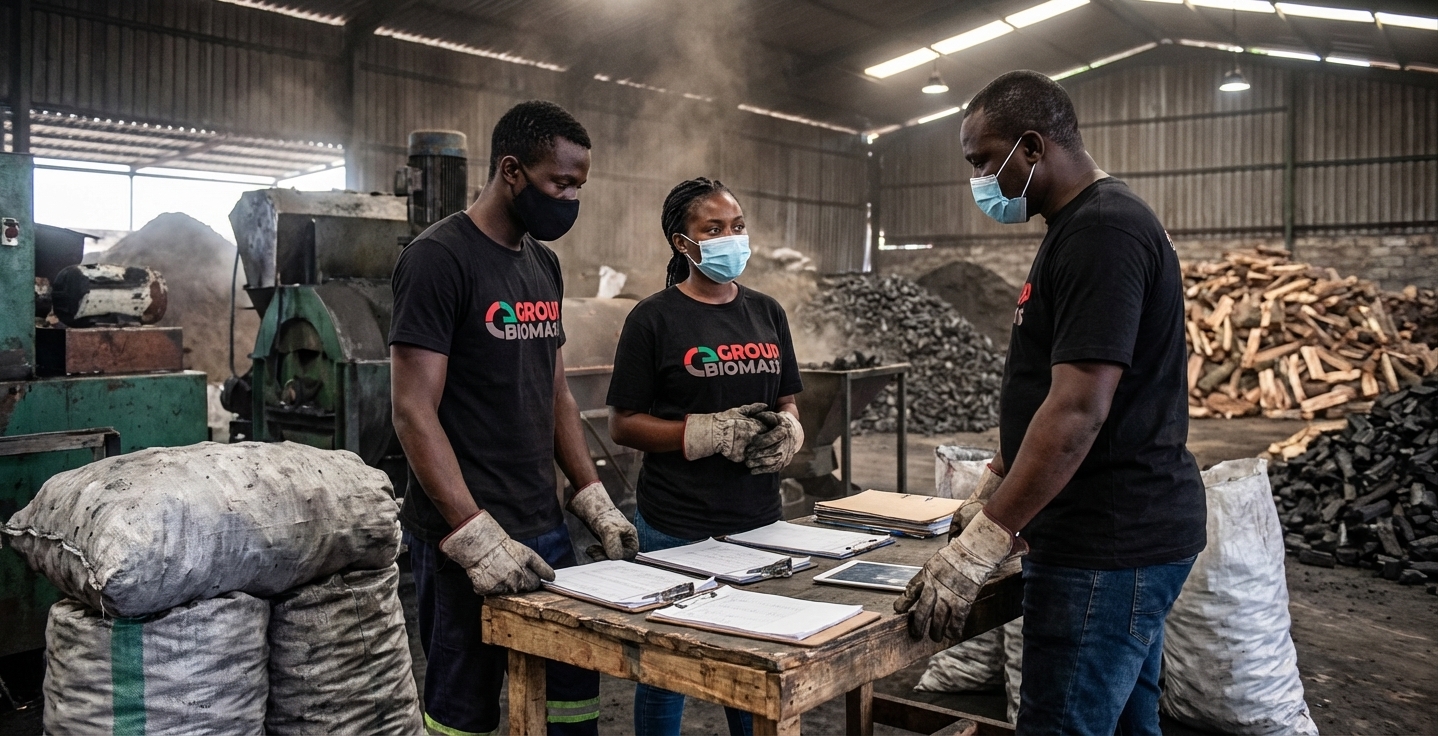
Deep within the country, a massive facility stands as a symbol to the increasing demand for wood fuel . This commercial complex, reportedly the region’s biggest wood plant , is raising attention for both its scale and the potential environmental impact . While providing jobs for local communities, the plant’s operations are prompting concerns about sustainable forest practices and the future well-being of the country's woodlands .
Natural Briquet Carbon Shipment Boom: The Promising Star
Cameroon is seeing a significant surge in hardwood lump carbon sales, positioning itself as a important nation in the global market. Thanks to growing demand from the US and Pacific countries, the country’s output of this eco-friendly fuel is rapidly expanding, offering valuable avenues for local farmers and boosting the country's financial situation. The priority on environmentally friendly wood lump carbon is showing to be a essential factor in attracting foreign customers.
Inside Cameroon’s Hardwood Lump Charcoal Factory: Production & Sustainability
Stepping across a typical Cameroon hardwood lump carbon factory reveals a remarkably straightforward system of manufacturing. Raw hardwood, often sourced from managed areas, are meticulously felled and transported to a oven. Inside, the timber is gradually cooked with restricted oxygen, a method that transforms it into lump charcoal. While the conventional methods used can be labor-intensive, more modern factories are adopting improved techniques and trying ways to boost their productivity and ecological conservation. This covers investing in renewable power and applying strict scrap handling plans.
Cameroon's Wood Charcoal Sector : A Significant Contributor in Global Sales
Despite mounting environmental worries , Cameroon’s charcoal trade remains a surprising yet vital player in the global export landscape. The production of charcoal from trees is a essential foundation of income for countless of local communities, particularly in rural areas . This practice generates a substantial quantity hardwood lump charcoal factory in Cameroon of lump charcoal destined for international destinations , often providing heating needs in other countries , though this need creates problems relating to forest loss and sustainable tree management .
La Face à Charbon de Bois Lump en Bois Dur et Des Briquettes Une Perspective Camerounaise
En le pays, le sélection entre le combustible de bois lump et les briquettes soulève une question . Traditionnellement, , le charbon de bois est utilisé pour ses goût typique et son aptitude à produire une température forte, parfaite pour la rôtisseries locales . Cependant, , des briquettes , davantage disponibles à acquérir et moins chères , gagnent à popularité , particulièrement chez les communautés urbaines .
Eco-friendly Charcoal Production : The Trajectory of Cameroon Timber Sector
The current method of charcoal creation in Cameroon presents a major problem to its valuable hardwood timberlands. However, innovative sustainable practices offer a viable path forward. These include technologies like wood waste processing and kiln-less earth systems, which minimize deforestation, cut emissions, and create financial opportunities for local villagers. Embracing these eco-friendly alternatives is crucial to safeguarding Cameroon's biological heritage and securing the long-term future of its hardwood sector while mitigating climate change .